
Practical thinking on AI in AEC
Field notes from real pilots, tool evaluations, and the data center boom. Written for people who stamp drawings, not for the hype cycle.
Our newsletter The AECentric Technology Brief Read on LinkedIn →The AI readiness assessment for engineering firms
Twelve questions across data, tools, and people that tell you whether an AI pilot will survive contact with your firm. Scoreable in one afternoon, no vendor required.
Read the article

Can you put client project data into AI tools?
Four questions decide it: which tool, which account tier, which data category, and what your own client agreements already say. Most firms have never answered any of them.

AI and the construction schedule: where it helps and where it guesses
It reads schedules well and writes them badly. The gain is in comparison, logic review, and narratives. Generating a baseline is where the risk lives.

What AI does to your fees
If your team gets faster and you bill hourly, efficiency is revenue you no longer collect. Where the benefit actually lands, and the decision to make before it leaks away.
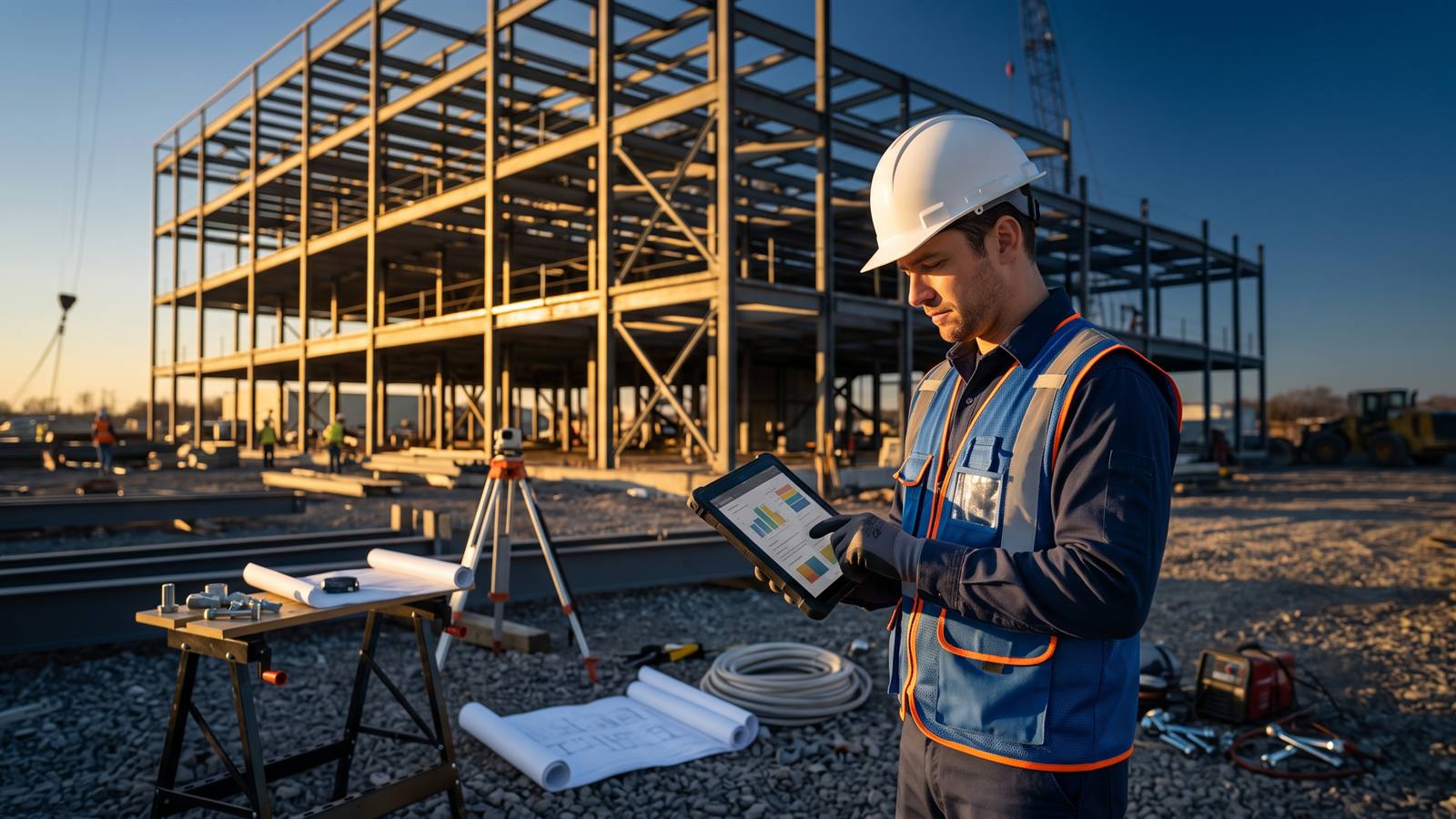
AI in construction administration: RFIs, field reports, and closeout
The best remaining place to put AI to work in an engineering firm, and the one almost nobody is looking at. Four workflows, and how to trial one without risk.

Do you need to hire an AI lead?
Probably not yet. Most firms need one trusted engineer with protected time and the authority to decide, not a new title. What the role is at each stage.

AI for Revit and BIM: what actually works today
Where AI genuinely helps in a BIM workflow, where the demos oversell it, and the one question that sorts the useful tools from the risky ones.

How to automate submittal review without approving anything
A working design: the tool sorts, the engineer decides. Five stages, four rules, and the audit trail that keeps the reviewer in responsible charge.

Should you tell clients you use AI?
Check your contracts first. Then have one rehearsed answer every principal can give, because the improvised version is the real risk.

Build or buy? The honest test for an AEC firm
Almost no AEC firm should build AI tools. A four-question test for the narrow case where custom is justified, and what building really costs.

AI for small firms, where the advantage is real
A twenty-person firm can move faster than a national practice and usually does not. The structural advantages you have, and a six-month plan that fits the budget.

AI and the PE seal: who is liable when the model is wrong
A licensed engineer's read on professional liability when AI touches sealed work: what your standard of care requires, what insurers are asking, and the review record that protects you.

How to evaluate AI tools without a six-month pilot
A four-week method: test candidates against your own projects, score them on workflow fit, and produce a recommendation you can defend to your partners.

Copilot, ChatGPT, or Claude? Choose by workflow
What each category of assistant is actually good at, where AEC-specific tools beat all of them, and how to decide without running a bake-off that proves nothing.

Where to pilot AI first, and why submittals beat design
The first pilot should be boring. How to pick the workflow with the highest payoff and the lowest licensure risk, and the four tests any candidate has to pass.
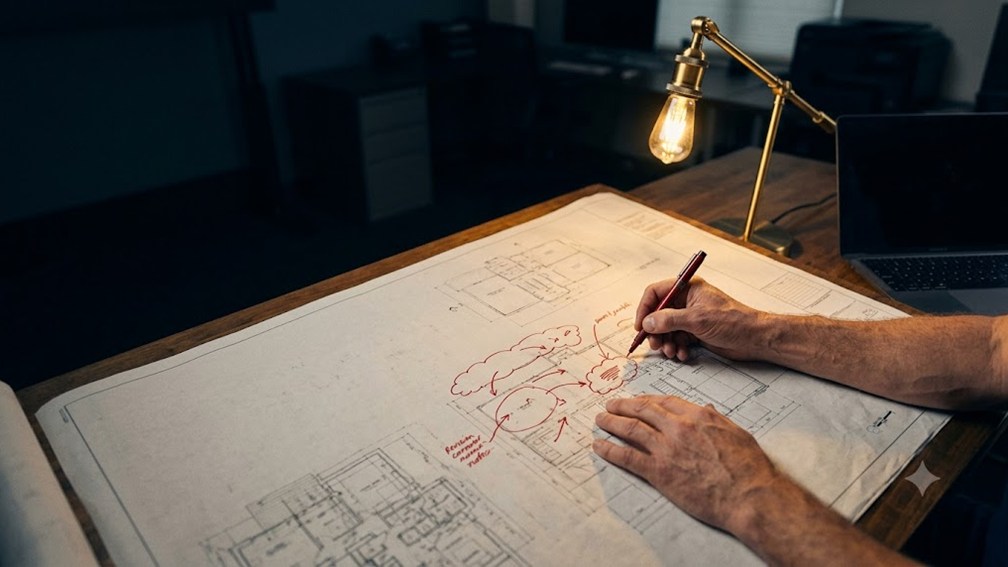
What AI gets wrong in construction documents
Five specific failure modes on specs, submittals, and drawings, and the three changes to your review workflow that catch all of them.

Writing an AI usage policy engineers will follow
One page, four clauses: approved tools, what information may go in, what must be verified, and who decides. Written to be used rather than filed.

Training engineers to trust but verify
Why generic AI training fails in engineering firms, and a role-by-role plan for principals, project managers, and early-career staff using your own projects.

The four numbers that convince a partner group
Hours per instance, cycle time, rework rate, and realization. What to capture before the pilot starts, and why self-reported time savings never survive the meeting.

The data center boom is an AI forcing function for AEC
These programs compress schedules until manual document workflows break. Why the firms winning the work are automating the back office first.

Using AI on proposals without sounding like everyone else
Automate the parts of a proposal nobody scores; write the parts they do. Where it pays immediately, and the fluent emptiness that costs you work.
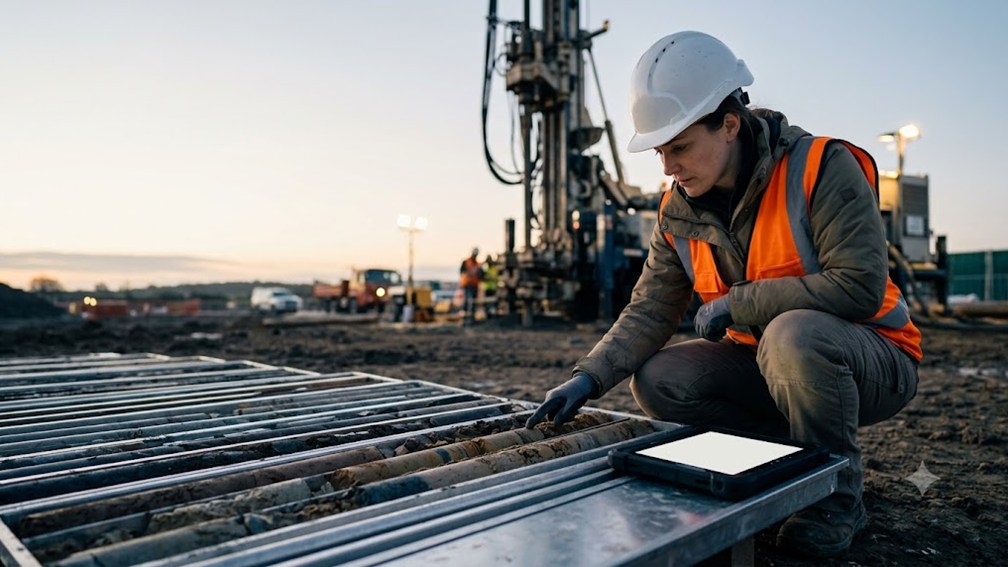
AI in geotechnical and environmental reporting
It can help you write the report and must not help you reach the conclusions. Where the line sits, and the workflow that keeps it there.

Why AI pilots fail, and what to do after one does
Four predictable causes, none of them technical. How to diagnose which one killed yours and restart without burning the firm's remaining patience.

What AI does to the early-career engineering pipeline
The tasks AI absorbs first are the tasks junior engineers learned judgment on. The training problem this creates, and how to develop engineers anyway.

What AI actually costs an engineering firm
Four budget lines, and licenses are the smallest. The implementation, training, and internal time nobody quotes you, and how to size a defensible first-year number.
The AI adoption blueprint for AEC professionals
A practical starting point: where AI fits in your practice, what to pilot first, and how to measure it. Free, straight to your inbox.
You are on the list
The blueprint is on its way to your inbox. Watch for a note from AECentric.